2026-03-16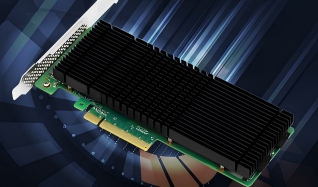
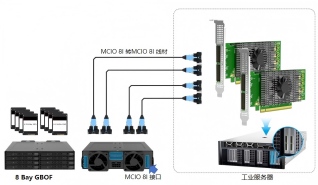
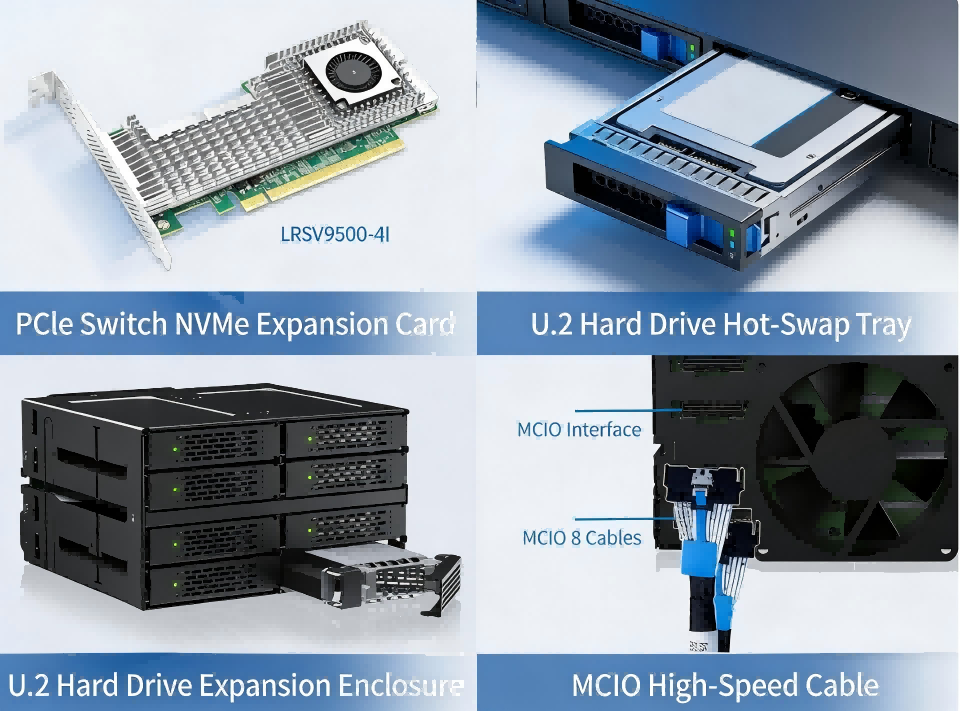
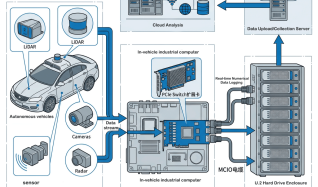
With the rapid development of AI large model training, high-performance computing and cloud computing, enterprises' demand for server GPU computing power and storage performance has shown an explosive growth trend. However, traditional server architectures have many bottlenecks in expansion capabilities, such as limited PCIe slots, difficulty in balancing GPU and SSD deployment, and lack of flexibility in expansion solutions. These problems have severely restricted business innovation. This paper will deeply analyze these industry pain points and demonstrate how LR-LINK LRSV9500-4I provides enterprises with a one-stop expansion solution through flexible X4/X8/X16 Bifurcation modes.
Comparison Dimension | Traditional Solution | |
Expansion Capability | 1 slot = 1 device | 1 slot = 8 SSDs or 2 GPUs |
Configuration Flexibility | Fixed function | Switchable X4/X8/X16 modes |
GPU + SSD Balancing | Difficult to meet at the same time | Perfectly supported in X8 mode |
PCIe 5.0 Support | Partial support | Full 32GT/s support |
Multi-GPU Interconnection | Rely on CPU forwarding | P2P communication |
II.Typical Industry Application Cases
An AI company has built an advanced large model training platform, using the X16 mode of LRSV9500-4I to expand GPUs. 8 GPUs are connected through 4 LRSV9500-4I cards. This configuration significantly improves GPU utilization and training efficiency.
A distributed storage cluster is built with the X4 mode of LRSV9500-4I, realizing that a single server supports 8 U.2 NVMe SSDs with a total capacity of 128TB and an aggregated bandwidth of more than 50GB/s. The application of this technology has significantly improved the scalability and performance of the system, with database query performance increased by 10 times.
Film and television production configures workstations in X8 mode, equipped with 2 graphics cards that perform excellently in real-time rendering tests and can significantly improve rendering and export efficiency. In addition, the configuration of 2 NVMe SSDs ensures high-speed reading and writing of material storage. Professional performance tests show that the rendering speed of 4K video materials is increased by more than 80% compared with traditional configurations, and the export time of high-definition video is reduced by 60%.
The supercomputing center uses LRSV9500-4I heterogeneous computing nodes to realize the parallel computing of GPUs in X16 mode and the efficient connection of FPGA acceleration cards and NVMe storage in X8 mode. This flexible configuration method of computing, network and storage has significantly improved resource utilization by 40%.
III.LRSV9500-4I Selection and Configuration Suggestions
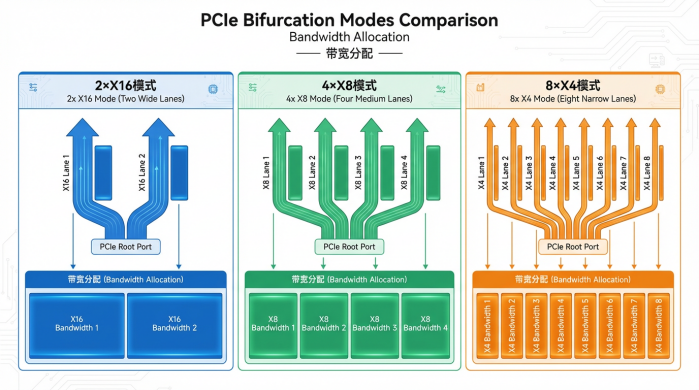
· In pure AI training scenarios, it is recommended to select the X16 mode to maximize the single GPU bandwidth and thus support high-end graphics cards
· In pure storage scenarios, the X4 mode can be selected to maximize the number of SSDs and further build a high-density all-flash array
· For mixed load scenarios, the X8 mode can be selected to balance GPU and SSD configuration, so as to achieve optimal resource allocation
· Motherboard Compatibility: Confirm that the motherboard supports PCIe 5.0
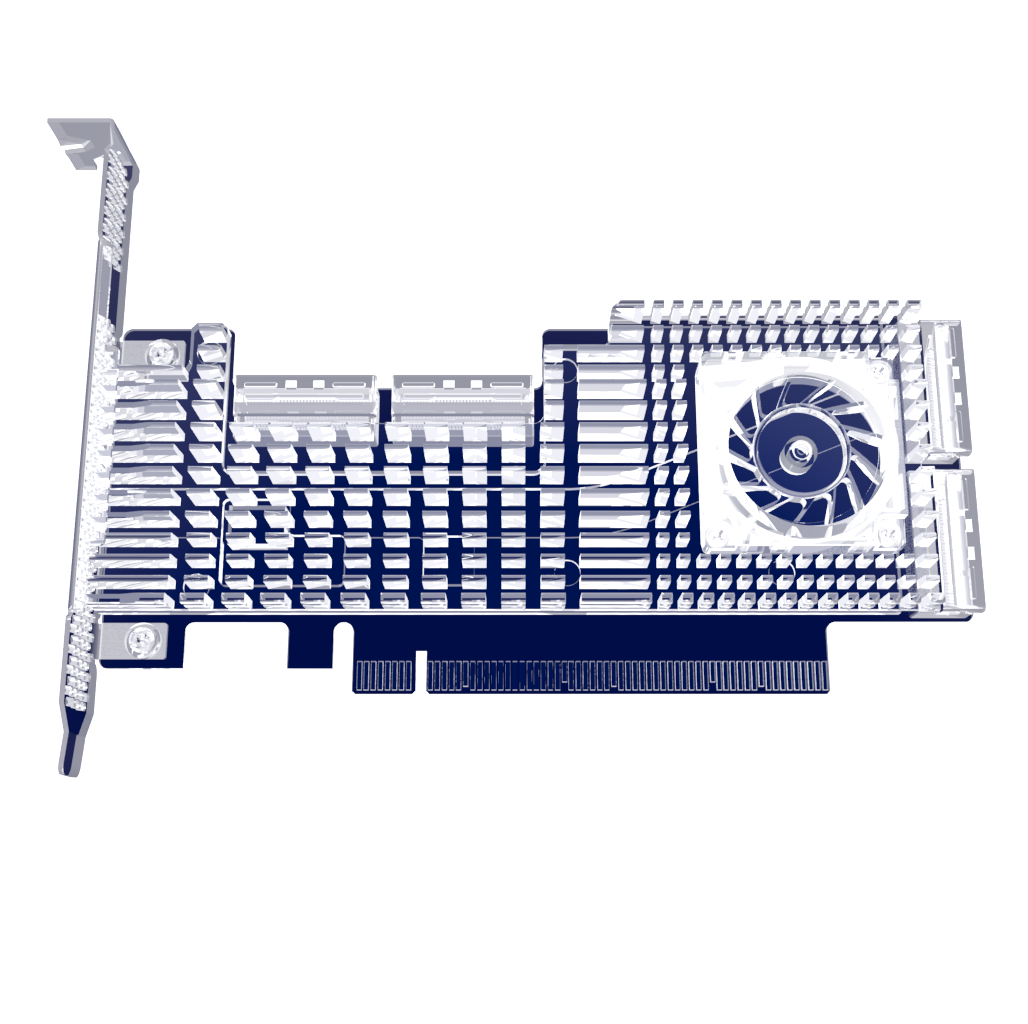
· Chassis Space: LRSV9500-4I is of half-height design, compatible with 2U and above servers
· Heat Dissipation Conditions: Ensure unobstructed air duct of the server, and additional auxiliary heat dissipation measures can be added if necessary
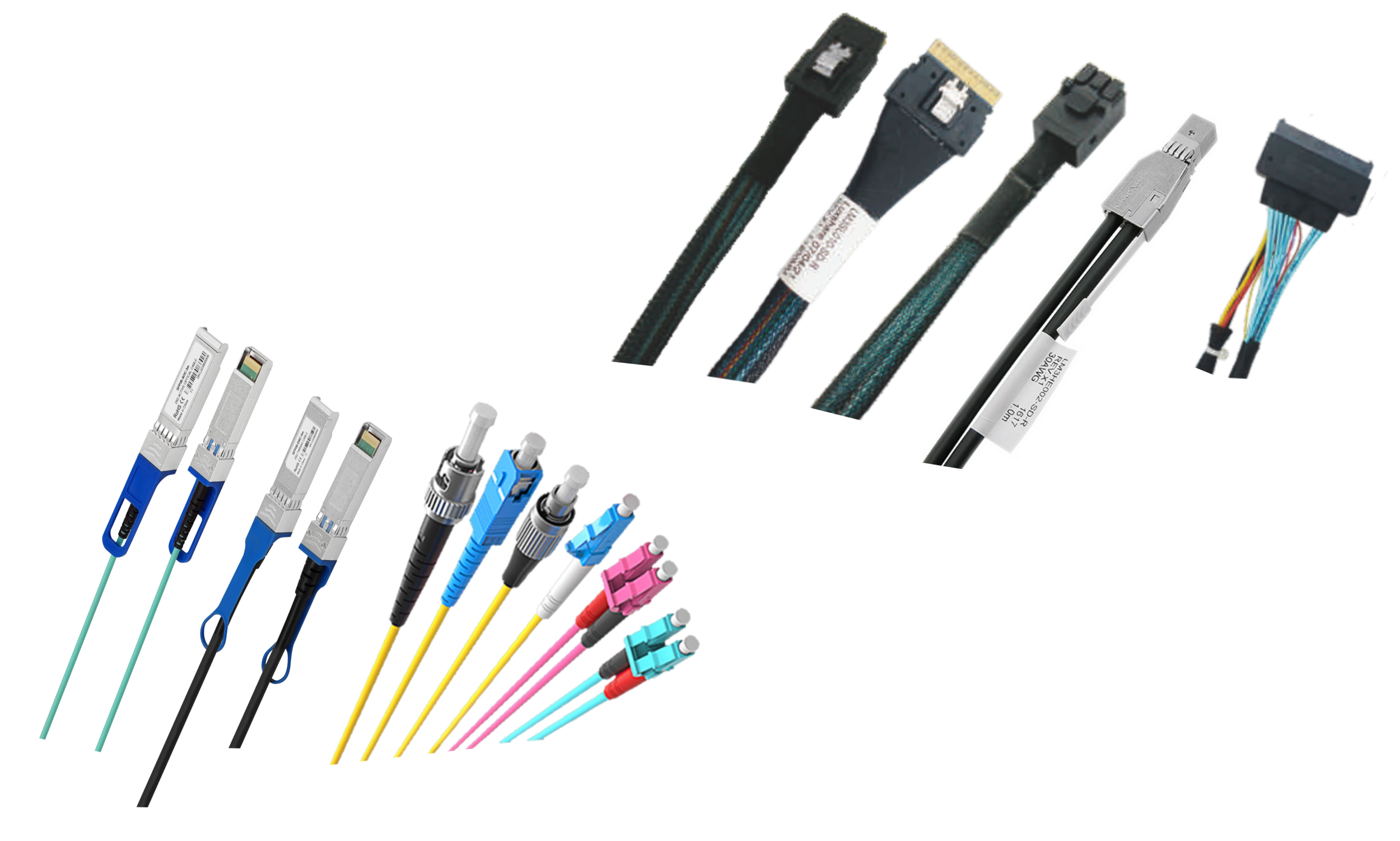
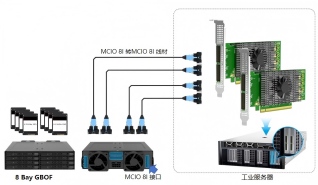
· Cable Quality: Use certified high-speed MCIO cables to ensure the integrity of PCIe 5.0 signals
With the release of the PCIe 6.0 specification, its transmission rate has reached 64GT/s per channel. The maturity of this technology, combined with the development of CXL technology, will bring new development opportunities for PCIe Switch expansion cards. The development of CXL technology, especially the support of CXL 2.0 for memory pooling and switch architecture, will expand the role of PCIe Switch, which will no longer be limited to GPU and storage expansion, but will take on an important role in memory expansion.
At the same time, with the continuous growth of the parameter scale of AI large models, the demand for GPU interconnection bandwidth will become more urgent, which can be seen from the significant growth of the market scale of the AI large model industry and technological breakthroughs. The multi-machine interconnection capability of PCIe Switch realized through NTB function will become a key technology for building large-scale AI training clusters. LR-LINK will continue to invest in R&D to provide customers with more advanced expansion solutions.
The pain points of server GPU and storage expansion are essentially the contradiction between limited resources and unlimited demand. Through PCIe Switch technology and flexible X4/X8/X16 Bifurcation modes, LRSV9500-4I provides enterprises with an efficient solution path. Whether for AI training, high-performance computing, big data analysis or video production, LRSV9500-4I can provide excellent expansion capabilities and investment protection.
As LR-LINK's flagship product in the PCIe 5.0 field, LRSV9500-4I, relying on the leading performance of the Broadcom PEX89048 chip and perfect ecosystem support, is becoming the preferred expansion solution for AI server and data center construction. Choosing LRSV9500-4I means choosing a flexible, efficient and future-oriented expansion architecture.
2026-03-18
2026-03-14