2026-04-22
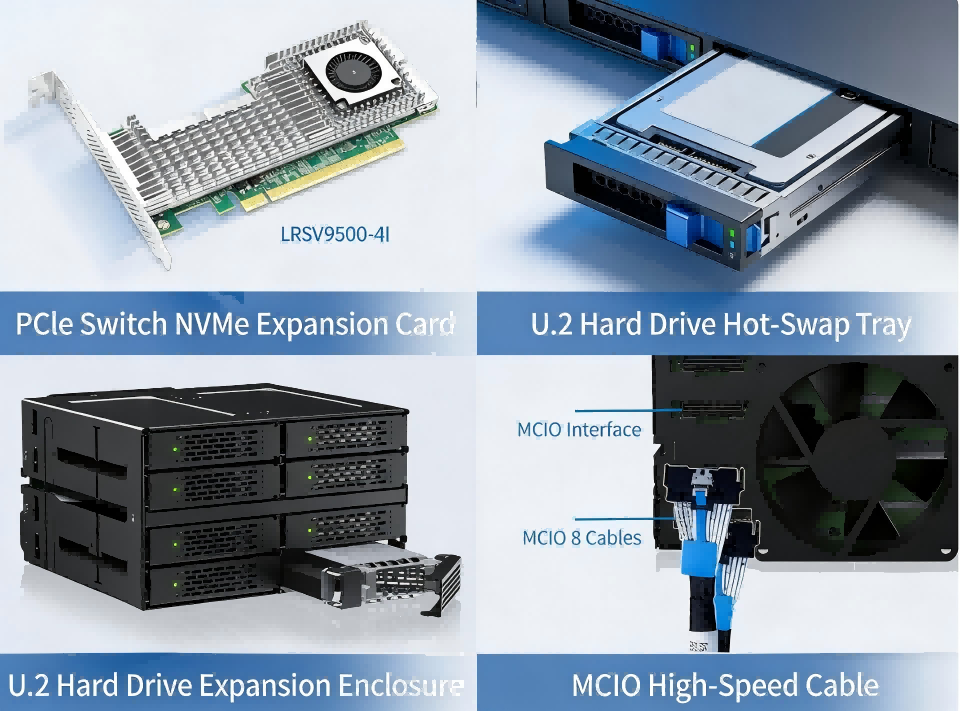
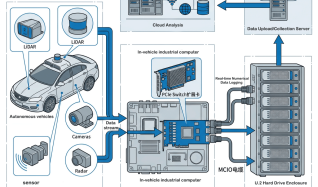
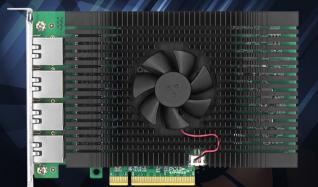
Driven by Industry 4.0 and intelligent manufacturing, industrial automation equipment is undergoing unprecedented transformation. From traditional mechanical control to intelligent and digitalized production processes, data has become the core asset of modern industry. In this transformation, the industrial PC (IPC), as the “brain” of industrial automation systems, its storage expansion capability directly affects the efficiency and stability of the entire production line.
With the wide application of machine vision, AI quality inspection, industrial IoT and other technologies, the volume of data generated on the industrial site is growing exponentially. A single high-speed industrial camera can generate hundreds of MB of image data per second, and modern smart factories often deploy dozens or even hundreds of such devices. These data require real-time storage, fast reading and long-term archiving, posing severe challenges to the storage system of IPCs.
Traditional IPC storage solutions mainly rely on SATA interface 2.5-inch SSDs or mechanical hard drives, which are inadequate in the following scenarios:
· High-speed data acquisition: Massive images from machine vision inspection need fast writing to avoid data loss.
· Compact space constraints: Limited space on industrial equipment requires smaller storage solutions.
· Data reliability requirements: Critical production data must not be lost, requiring redundancy protection.
· 24/7 operation: Industrial environments demand high stability and durability of storage devices.
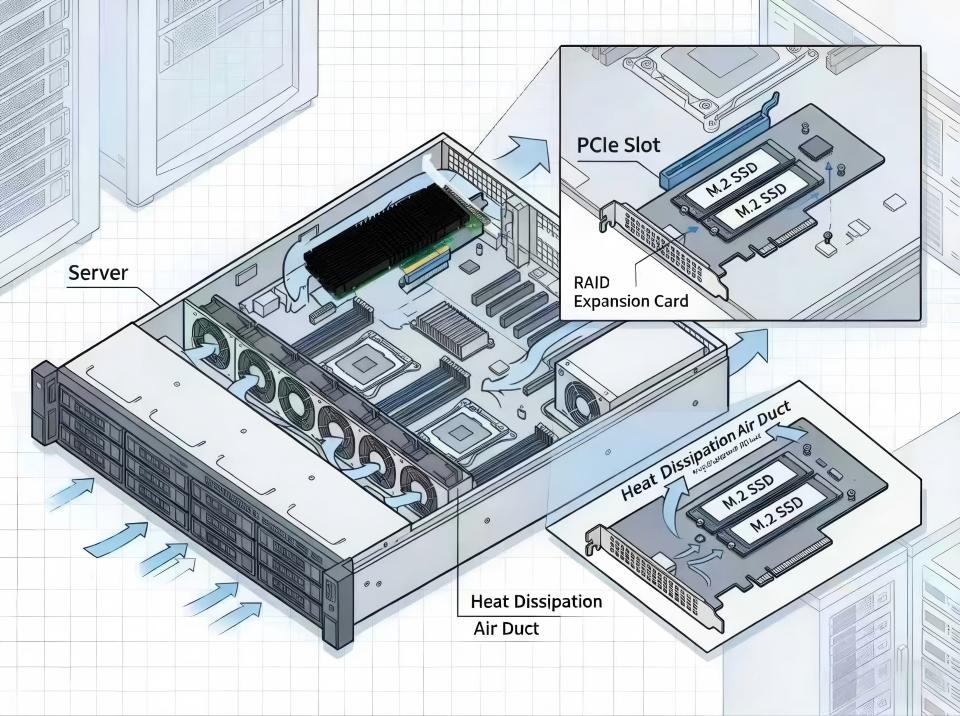
With its compact size and outstanding performance, M.2 NVMe SSD is becoming a new favorite in industrial storage. Compared with traditional SATA SSDs, the NVMe protocol connects directly to the CPU via the PCIe bus, multiplying theoretical bandwidth with read/write speeds up to thousands of MB/s, fully meeting the storage demands of demanding applications such as high-speed continuous shooting of industrial cameras and real-time video recording.
More importantly, the various size specifications of the M.2 interface (2230/2242/2260/2280/22110) provide flexible installation options for IPCs in different spaces. Whether it is a compact embedded IPC or a standard 4U IPC chassis, a suitable M.2 SSD solution can be found.
Data security is critical in industrial environments. An unexpected storage failure can result in the loss of an entire batch of product quality data, causing huge economic losses. RAID (Redundant Array of Independent Disks) technology distributes data across multiple drives, providing dual benefits of data redundancy and performance improvement.
For IPC applications, the most commonly used RAID modes include:
· RAID 0 (Striping): Data is written across two drives, doubling read/write speed; suitable for performance-sensitive scenarios where data can be rebuilt.
· RAID 1 (Mirroring): Data is written to both drives simultaneously as mutual backups; no data loss if one drive fails, ideal for critical data protection.
· JBOD (Just a Bunch of Disks): Two drives work independently with combined capacity; suitable for large-capacity storage needs.
High-performance M.2 NVMe storage expansion solutions have broad application prospects in industry:
In electronics manufacturing, auto parts, food packaging and other industries, machine vision has become standard for quality inspection. Image data generated by high-speed industrial cameras requires real-time storage and processing. The high-speed writing capability of M.2 NVMe SSDs ensures every frame is fully recorded, providing a data foundation for subsequent AI defect detection.
Sensor networks, PLC controllers and SCADA systems in smart factories generate massive time-series data. Highly reliable storage solutions with RAID protection ensure data integrity and traceability, meeting the needs of industrial big data analysis and predictive maintenance.
In industrial edge computing, local storage not only caches data for cloud synchronization but also supports on-site AI inference and real-time decision-making. Fast and reliable storage access directly affects the response speed and processing efficiency of edge nodes.
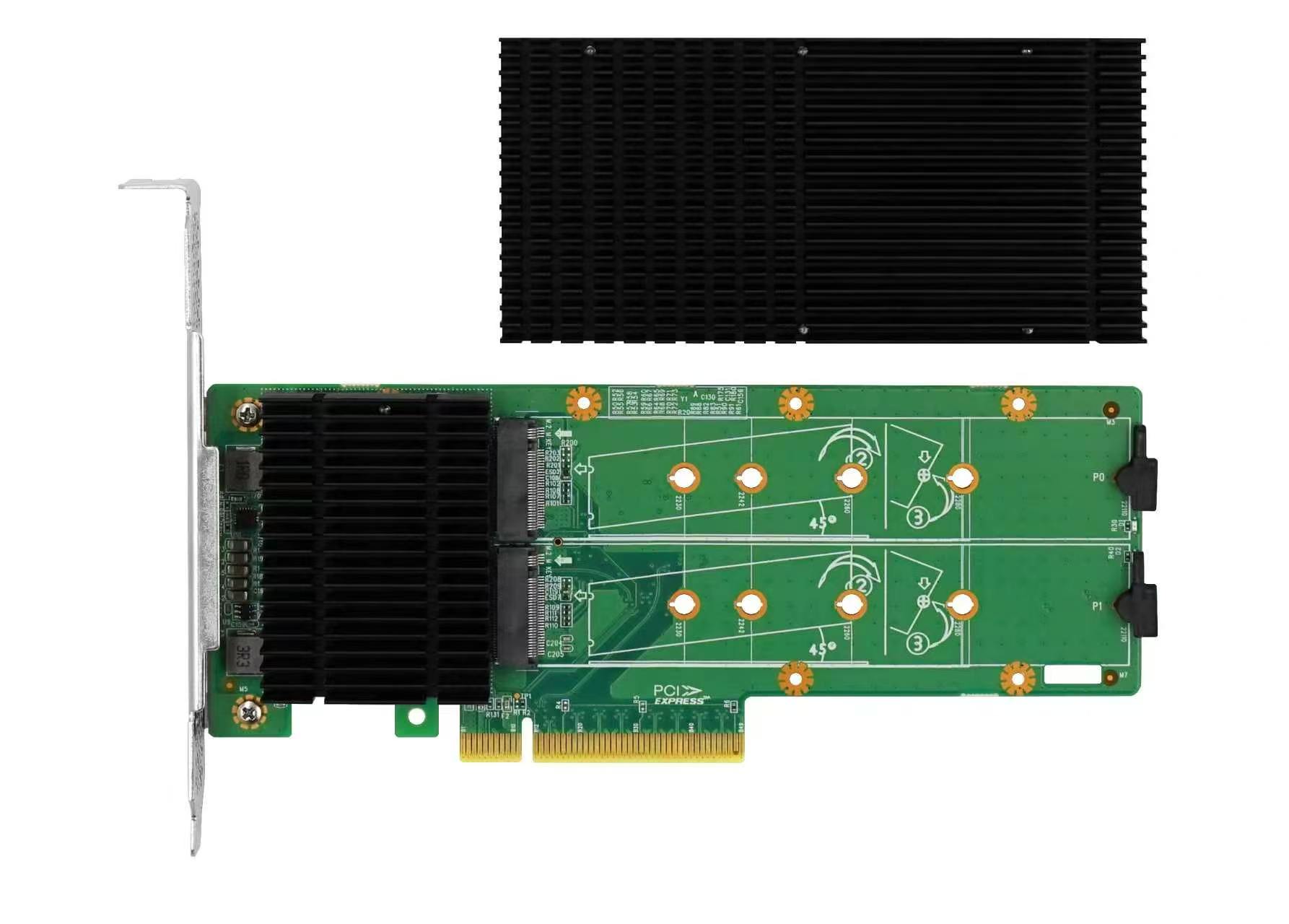
Faced with many storage expansion products on the market, industrial users should consider the following factors:
· Interface compatibility: Confirm the IPC motherboard provides PCIe 3.0 x8 or higher expansion slots.
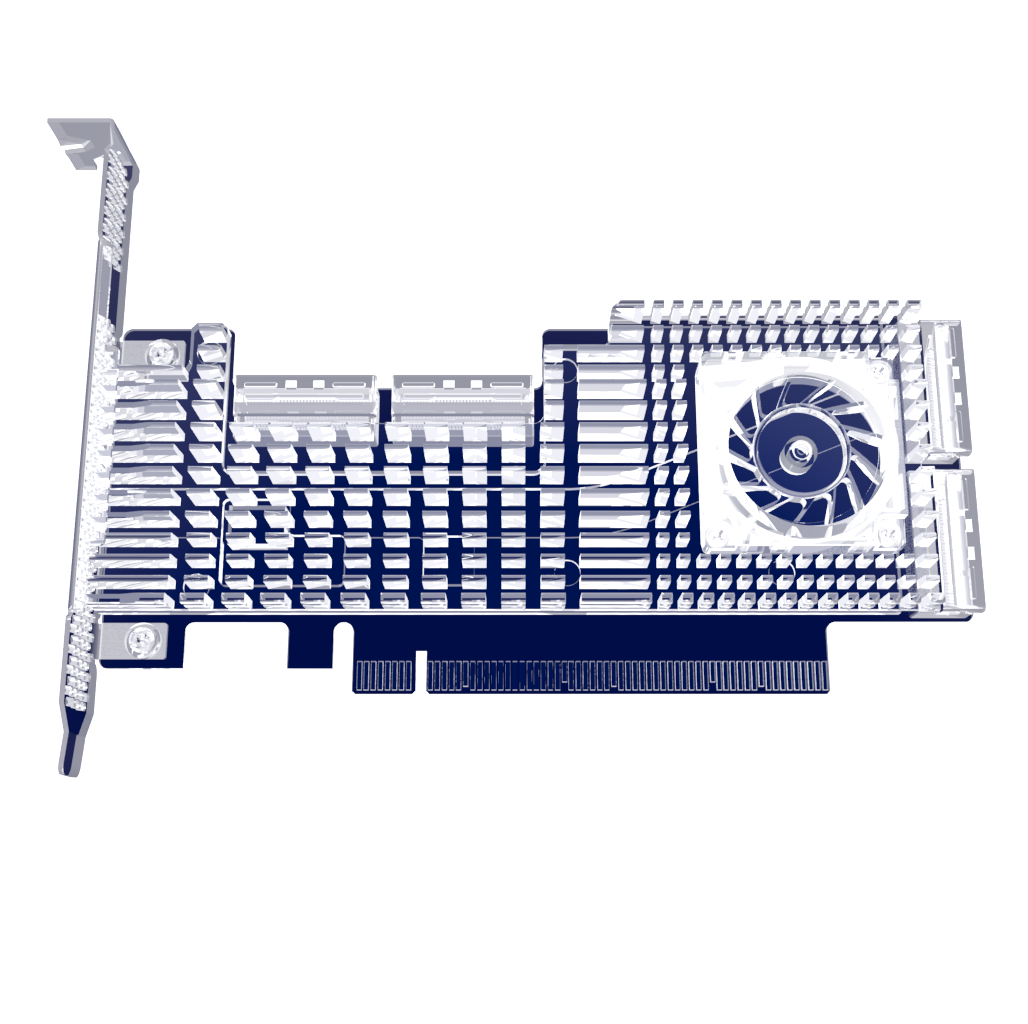
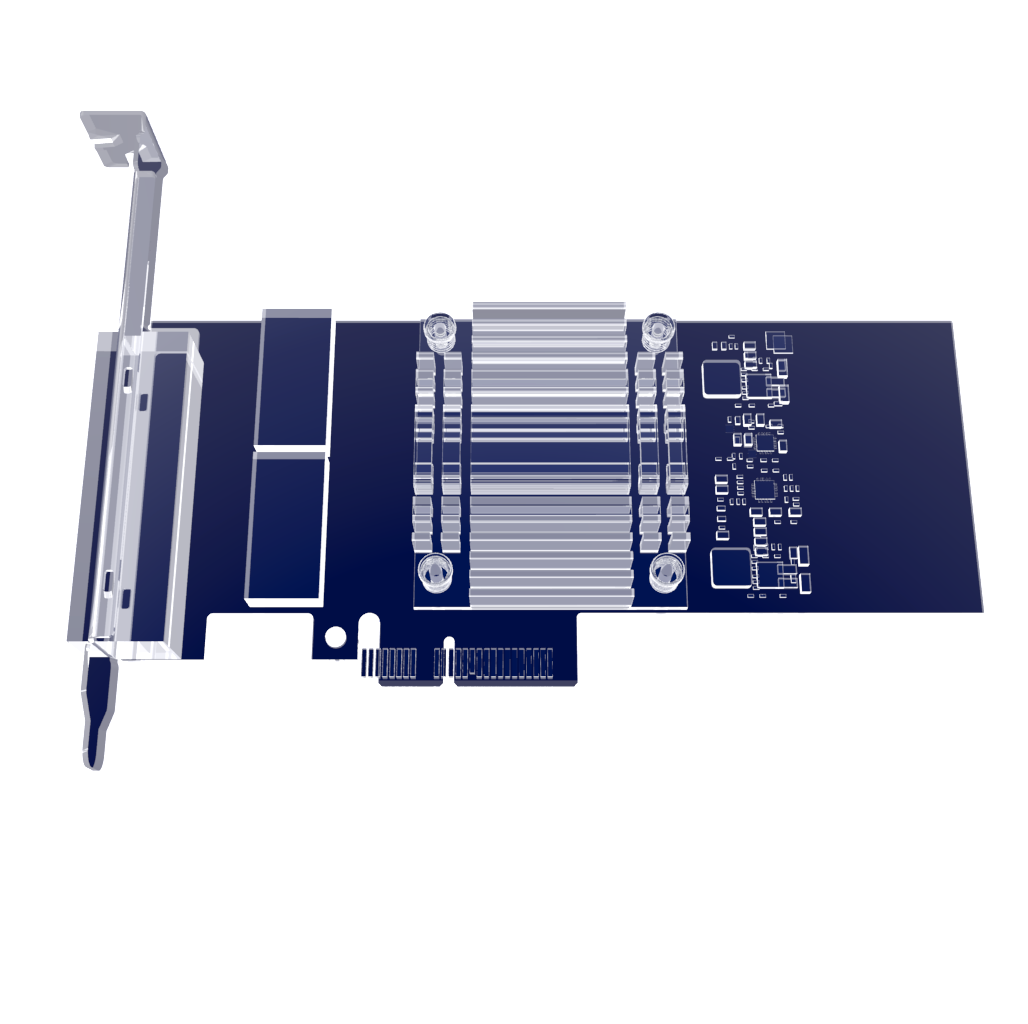
· Physical size: Select full-height or low-profile brackets based on chassis space for installation feasibility.
· SSD support: Verify the M.2 SSD lengths supported by the expansion card (2230/2242/2260/2280/22110).
· RAID function: Choose hardware RAID support based on data importance.
· OS support: Ensure compatibility with industrial operating systems (e.g., Kylin, UOS).
· Operating temperature: Industrial environments typically require 0°C–50°C or wider temperature tolerance.
The development of industrial automation has raised higher requirements for storage systems. With high performance, small size and low power consumption, M.2 NVMe SSDs are becoming the mainstream choice for IPC storage expansion. Paired with hardware RAID, they meet high-speed industrial data storage needs while reliably protecting critical data.
For enterprises planning industrial automation upgrades, selecting a stable and highly compatible M.2 NVMe storage expansion solution lays a solid data foundation for the digital transformation of intelligent manufacturing.